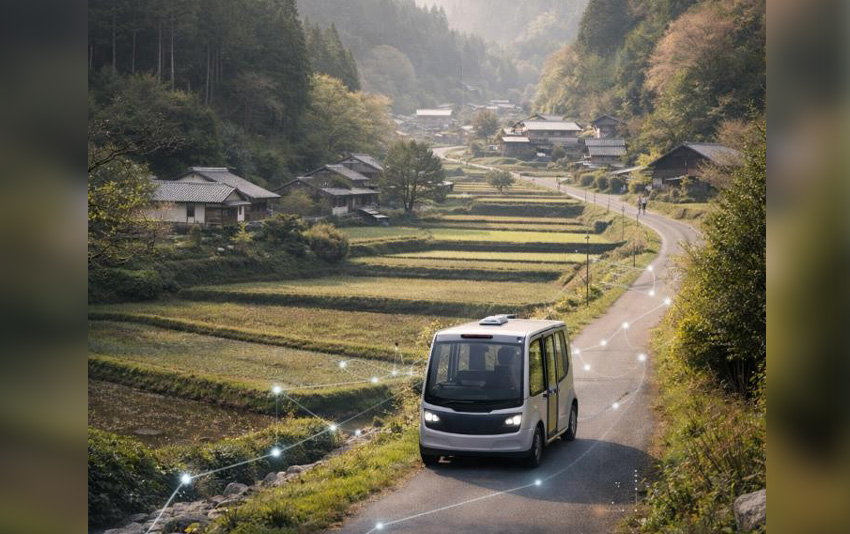
Japan is facing declining birth rates and a rapidly aging population, creating significant challenges for transportation systems, particularly in rural and mountainous regions. In these areas, limited mobility options can lead to social isolation, reduced physical activity, and declining health among older residents. Traditionally, transportation planning in Japan has prioritized efficiency and convenience; however, these approaches are proving insufficient in addressing the needs of aging and dispersed communities. In response, innovative models are emerging that redefine transportation not simply as a means of movement, but as a tool for enhancing social connection, accessibility, and well-being. Drawing on insights from Professor Akimasa Fujiwara of Hiroshima University, this article explores how initiatives such as AI-powered shared mobility, “Green Slow Mobility,” and integrated urban transit systems are reshaping transportation policy and practice in Japan.
Related posts:
 Interview with the innovative environmental startup that is working to solve plastic waste pollution via technology
 National Cancer Center (NCC) at Kashiwa-no-ha Smart City World-leading Cancer Drug Discovery Ecosystem in Japan
 U.S. Privacy Regulations: Andrew Kingman: The Lobbyist Striking Balance in Privacy Policy
 Turning Orange Peels into a Circular Battery Future