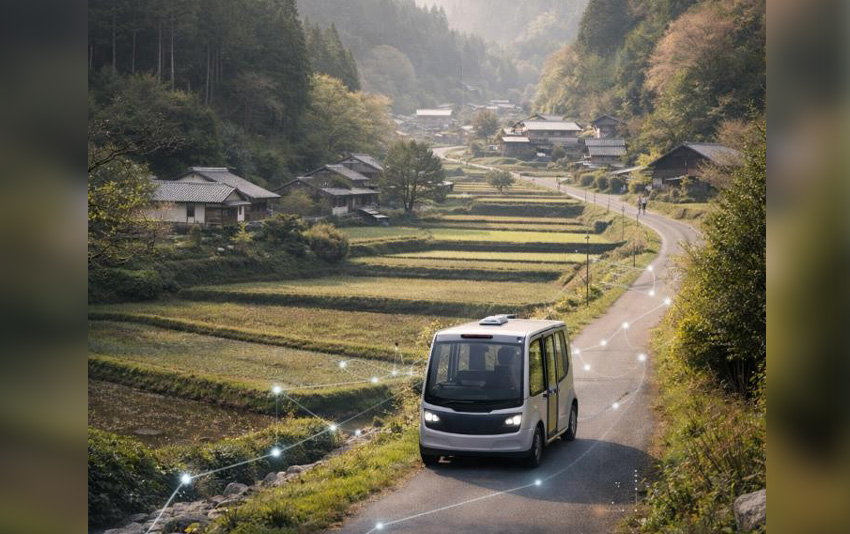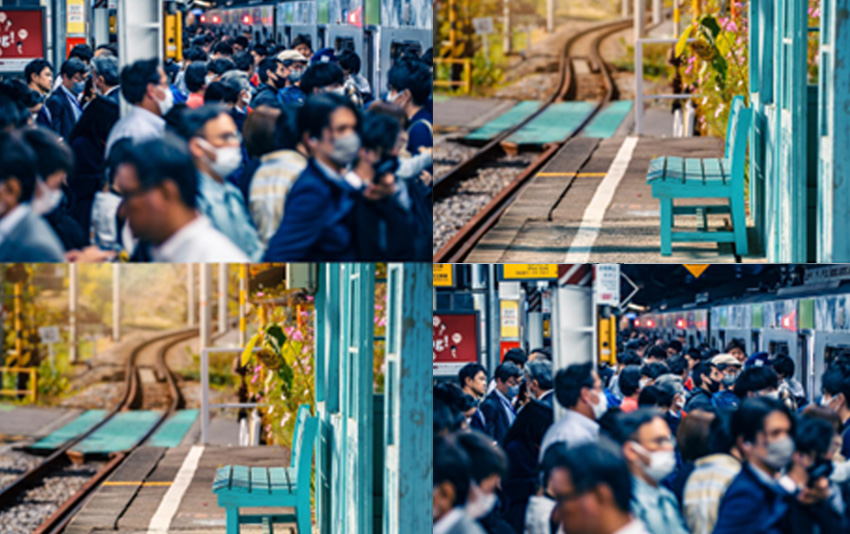
Japan’s public transportation system reflects a striking dichotomy between urban excellence and rural decline. In Tokyo, one of the world’s most advanced rail networks moves millions of passengers daily with unmatched speed, precision, and coordination. In contrast, rural regions face mounting challenges driven by population decline, urban migration, and an aging society, leading to reduced services and limited mobility options.
This article explores how Japan is navigating these competing realities through insights from Professor Fumihiko Nakamura of the Open University of Japan. Drawing on his expertise, the discussion highlights both the technological sophistication of urban systems and the growing need for sustainable, community-based solutions in rural areas. From ridesharing initiatives and cost-conscious mobility models to the role of emerging technologies like drones, the article reframes transportation as not only infrastructure, but a critical pillar of social well-being, economic sustainability, and public health.