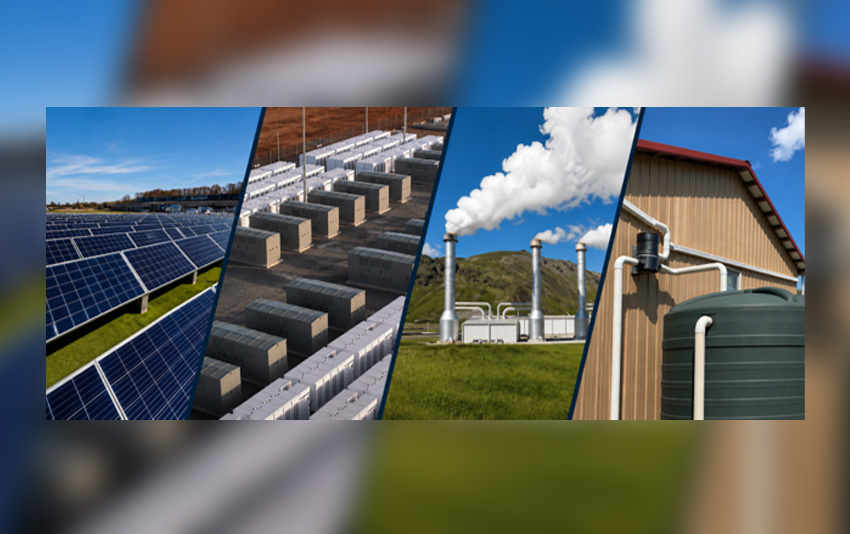
For much of the past decade, sustainability and climate resilience became increasingly integrated into U.S. defense policy as military leaders sought to reduce operational risks posed by extreme weather, energy disruptions, and aging infrastructure. With the return of the Trump administration in 2025, however, the language surrounding these efforts shifted dramatically. References to climate change and emissions reduction largely gave way to terms such as resilience, energy security, mission assurance, and military readiness. Yet despite this change in rhetoric, many of the same initiatives, including investments in microgrids, advanced energy storage, alternative energy, and water security, continue to expand across U.S. military installations. This article explores how sustainability has evolved within the defense sector, arguing that while the terminology has changed, the technologies, priorities, and operational challenges remain remarkably consistent.
Related posts:
 Burgeoning microplastics pollution prompts regulatory action to protect drinking water in California
 From waste management to clean materials: Striving for Balance between the Environment and the Economy in the Pacific Northwest
 Asia Seeks to Accelerate Transition to Low-Carbon Society
 International Knowledge Exchange on Decarbonization U.S. Pacific Northwest and Denmark Industrial Symbiosis Case